
Punk music, with its raw energy, rebellious spirit, and DIY ethos, emerged in the mid-1970s as a countercultural movement that would forever change the landscape of popular music. Many believed that punk would be a passing fad, but over four decades later, it’s evident that punk music is far from dead. In fact, it continues to thrive, evolve, and inspire new generations of musicians and fans alike. This article explores the enduring vitality of punk music and why it remains a force to be reckoned with in the music industry.

- A Vibrant Underground Scene
One of the key reasons punk music is very much alive is its resilient underground scene. While the mainstream may not always give punk the spotlight it deserves, punk communities around the world continue to flourish in local scenes, basements, and small clubs. These grassroots movements are the lifeblood of punk, providing a platform for new bands to emerge, experiment, and challenge the status quo.
- Diverse Subgenres
Punk music has never been static; it has always been evolving and branching out into various subgenres. From the hardcore punk of the 1980s to the ska-punk fusion of the 1990s and the recent rise of pop-punk and emo-punk, punk’s ability to adapt and incorporate new influences keeps it fresh and relevant. This diversity ensures that there’s a punk subgenre for almost every musical taste.
- Influential Bands of the Past
Punk’s history is rich with iconic bands like The Sex Pistols, The Ramones, and The Clash, whose impact on music and culture is immeasurable. These bands continue to inspire new generations of musicians and remind us of punk’s enduring legacy. Countless bands cite these pioneers as influences, keeping their spirit alive in contemporary music.
- Political and Social Relevance
Punk music has always been a vehicle for political and social commentary. In times of social unrest and political turmoil, punk resurfaces as a potent form of protest and rebellion. The DIY ethos of punk allows artists to communicate their grievances and frustrations without the need for major label backing. Movements like Riot Grrrl in the 1990s and contemporary punk bands like IDLES and PUP tackle pressing issues with unapologetic fervor, making punk a vital voice for change.
- The DIY Ethos
The punk DIY ethos, which encourages self-reliance, self-expression, and a disregard for the establishment, remains as strong as ever. Thanks to the accessibility of technology and the internet, aspiring punk musicians can record and distribute their music independently, bypassing traditional gatekeepers. This has led to a surge of new talent and a democratization of the punk scene.
- Live Performances and Festivals
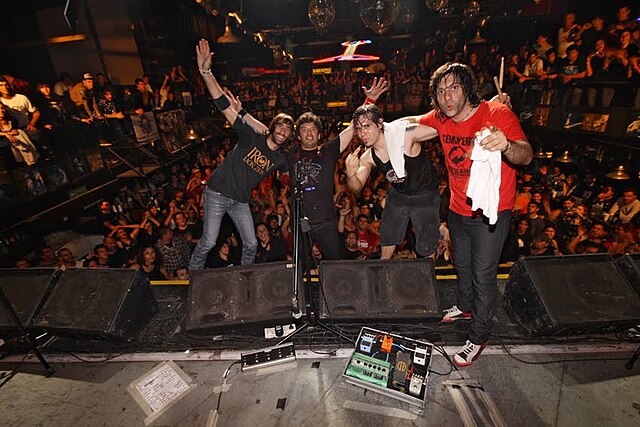
Punk’s heart beats loudest on stage, and the live experience remains an essential part of the genre’s culture. Punk festivals like Warped Tour, Rebellion Festival, and Punk Rock Bowling continue to draw large crowds year after year. These events showcase both legendary punk acts and up-and-coming bands, creating a sense of unity and solidarity within the punk community.
Conclusion
Contrary to the naysayers who declared punk music dead decades ago, the punk spirit is very much alive and kicking. Its resilience, adaptability, and commitment to authenticity ensure its continued relevance in the ever-changing world of music. Punk’s ability to inspire, provoke, and challenge societal norms guarantees that it will remain a vital force in the music industry for generations to come. So, if you’re ever in doubt, remember that punk music is still out there, thriving in basements, clubs, and hearts all over the world, keeping the spirit of rebellion and individuality alive.
 The American Centrist

