
Fentanyl, a potent synthetic opioid, has been a major public health concern for the past several years. This synthetic drug, originally intended for medical use, has found its way into illicit drug markets, contributing to a surge in overdose deaths. While the crisis is far from over, there are promising signs that efforts to combat fentanyl’s deadly grip on communities are starting to show results.

The Rise of Fentanyl
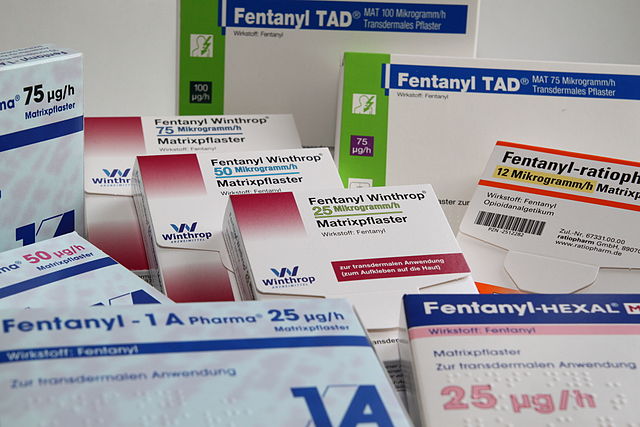
Fentanyl’s journey from a legitimate medical drug to a street-level epidemic began when it was introduced for pain management. Due to its high potency, it was primarily prescribed to individuals with severe, chronic pain and cancer patients. However, the drug’s potency also made it incredibly dangerous when misused or abused. Over the years, clandestine laboratories in China and Mexico began producing fentanyl and its analogs in vast quantities, leading to its infiltration into the illegal drug market.
The Deadly Toll
The consequences of fentanyl’s proliferation have been staggering. It has been a driving force behind the opioid epidemic in the United States and other parts of the world, causing tens of thousands of overdose deaths annually. Its potency means that even a tiny amount can be lethal, making it difficult for users to gauge their dose safely. The problem has been exacerbated by fentanyl being mixed with other drugs, often without the user’s knowledge, making it a lethal gamble for those seeking an escape from pain or addiction.
Signs of Slowing
Despite the grim statistics and the devastating impact of fentanyl, there are reasons to believe that the battle against this deadly drug may be starting to turn in favor of public health and safety. Here are some promising signs of slowing:
- Increased Awareness: Over the past few years, there has been a concerted effort to raise awareness about the dangers of fentanyl. Health organizations, law enforcement agencies, and community groups have all worked tirelessly to educate the public about the risks associated with this drug. People are becoming more cautious about what they consume.
- Naloxone Distribution: The widespread distribution of naloxone, an opioid overdose reversal medication, has saved countless lives. Many communities have made naloxone more readily available to first responders, families, and even individuals at risk of overdose.
- Law Enforcement Efforts: Law enforcement agencies have ramped up efforts to combat the illegal production and distribution of fentanyl. International cooperation, especially with China and Mexico, has led to some significant seizures of fentanyl precursor chemicals and drug trafficking operations.
- Treatment and Harm Reduction: The focus on addiction treatment and harm reduction strategies has increased. Access to treatment programs and harm reduction services like safe injection sites and supervised consumption spaces has expanded in some regions, offering help to those struggling with addiction.
- Policy Changes: Changes in drug policies have been seen in several jurisdictions. Some have decriminalized the possession of small amounts of opioids, aiming to divert users from the criminal justice system into treatment and support services.
- Research and Development: Ongoing research into alternative pain management strategies is reducing the overreliance on opioids for pain treatment. New pain medications and non-opioid alternatives are being developed to minimize the demand for fentanyl.
While fentanyl continues to be a significant public health challenge, the signs of slowing are encouraging. Increased awareness, harm reduction initiatives, improved access to treatment, and law enforcement efforts are all contributing to a more comprehensive approach to tackling the crisis. However, it’s essential to remain vigilant and maintain these efforts, as the illicit drug market can adapt quickly.
The battle against fentanyl may be showing some positive signs, but it is far from won. To ensure lasting success, a multifaceted approach that includes prevention, education, treatment, and law enforcement must continue to evolve and adapt to the changing landscape of the opioid crisis. Ultimately, the goal is not only to slow the spread of fentanyl but to save lives and help individuals struggling with addiction find a path to recovery.
 The American Centrist