
In the pursuit of a sustainable future, scientists, researchers, and policymakers have been tirelessly exploring renewable energy sources that can power our world without harming the environment. Among the many contenders, clean hydrogen has emerged as a frontrunner, holding the promise to revolutionize the way we produce and consume energy. This versatile element, when harnessed through eco-friendly methods, has the potential to significantly reduce carbon emissions, mitigate climate change, and usher in an era of cleaner energy alternatives.
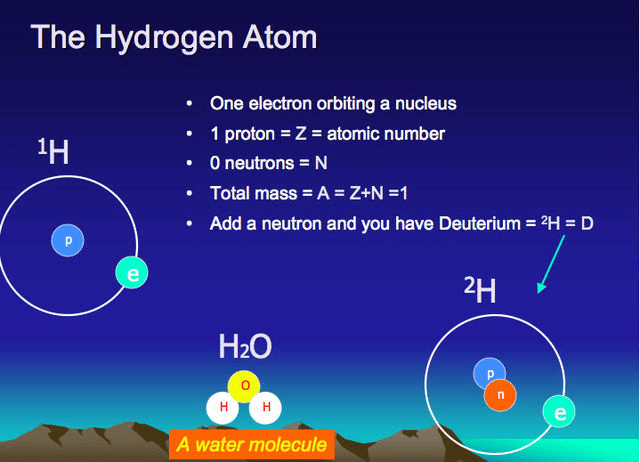
The Basics of Clean Hydrogen
Hydrogen, the most abundant element in the universe, possesses remarkable energy potential. However, not all hydrogen is created equal in terms of environmental impact. Traditional hydrogen production methods, like steam methane reforming, rely on fossil fuels, releasing harmful greenhouse gases into the atmosphere. Clean hydrogen, on the other hand, is produced through processes such as electrolysis powered by renewable energy sources like solar or wind. This method separates hydrogen from water, generating pure, emission-free energy.
A Green Energy Solution
Clean hydrogen has garnered attention as a green energy solution due to its ability to store and deliver energy efficiently. Unlike electricity, hydrogen can be stored and transported easily, making it an ideal candidate for sectors where direct electrification is challenging, such as heavy industry and long-haul transportation. This quality opens up a wide array of possibilities for decarbonizing sectors that were previously heavily reliant on fossil fuels.
Applications Across Industries
1. Transportation: Hydrogen fuel cells power vehicles, offering a clean alternative to traditional combustion engines. These vehicles emit only water vapor and heat, making them a vital component in reducing air pollution and mitigating the effects of climate change.
2. Industry: Heavy industries, such as steel and cement production, often require high-temperature processes that are difficult to electrify directly. Clean hydrogen can replace fossil fuels in these processes, significantly reducing emissions.
3. Energy Storage: Hydrogen can store excess energy generated from renewable sources, providing a reliable backup during periods of low renewable energy production. This capacity to store energy supports the stability and reliability of the grid, crucial for transitioning to a renewable energy-based economy.
4. Heating: Clean hydrogen can also be utilized in heating systems for residential, commercial, and industrial purposes, replacing natural gas and reducing carbon emissions associated with heating.
Challenges and Future Prospects
While the potential of clean hydrogen is vast, challenges remain. One significant hurdle is the cost of production, which currently exceeds that of hydrogen derived from fossil fuels. Research and development efforts are underway to make clean hydrogen more economically viable, with the aim of achieving price parity with conventional hydrogen in the near future.
Additionally, establishing a comprehensive infrastructure for hydrogen production, transportation, and distribution is essential for its widespread adoption. Investments in research, development, and infrastructure are crucial to overcoming these challenges and realizing the full potential of clean hydrogen.
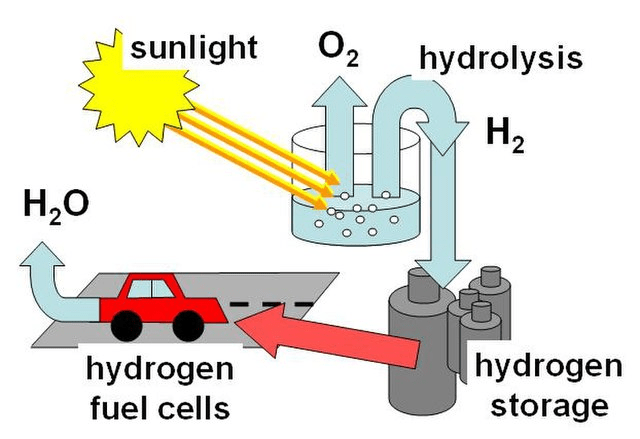
Clean hydrogen stands at the forefront of the clean energy revolution, offering a versatile and sustainable solution to reduce carbon emissions and combat climate change. As investments in research and technology continue to grow, the day when clean hydrogen powers our industries, fuels our vehicles, and heats our homes is drawing nearer. Embracing this powerful element as a key player in our transition to a sustainable future will not only reshape our energy landscape but also pave the way for a cleaner, greener world for generations to come.
 The American Centrist


1 thought on “Harnessing Clean Hydrogen: A Game-Changer in the Clean Energy Revolution”
Comments are closed.