

The history of Hamas is deeply entwined with the complex political landscape of the Middle East. Established in 1987 during the First Intifada, Hamas has since evolved into a prominent and controversial player in the Palestinian-Israeli conflict. This article aims to trace the origins and development of Hamas, shedding light on the organization’s ideologies, goals, and impact on the region.
Origins: The Birth of Hamas
Hamas, an acronym for Harakat al-Muqawamah al-Islamiyya (Islamic Resistance Movement), emerged in the late 1980s amidst the Palestinian uprising against Israeli occupation, known as the First Intifada. Founded by Sheikh Ahmed Yassin and his associates, Hamas gained popular support due to its grassroots efforts, providing social services and fostering a sense of resistance against Israeli rule in the Gaza Strip and the West Bank.
Ideological Underpinnings
Hamas is deeply rooted in Islamic fundamentalism and Palestinian nationalism. The organization’s charter, published in 1988, outlines its commitment to the establishment of an Islamic state in historic Palestine, encompassing present-day Israel, the West Bank, and the Gaza Strip. Hamas rejects any compromise with Israel and calls for armed struggle as the primary means to achieve its goals. This uncompromising stance has contributed to its contentious relationship with Israel and other international actors.
Challenges and Controversies
Hamas’s militant activities, including suicide bombings and rocket attacks targeting Israeli civilians, have drawn widespread condemnation from the international community. The group’s classification as a terrorist organization by several countries, including the United States and the European Union, has further isolated it on the global stage. Additionally, Hamas’s rule in the Gaza Strip has been marked by internal political challenges, economic hardships, and conflict with rival Palestinian factions, particularly Fatah, the party leading the Palestinian Authority in the West Bank.
Shifts in Strategy: Governance and Diplomacy
In recent years, Hamas has shown signs of moderation in its approach. The organization has participated in Palestinian legislative elections, gaining control of the Gaza Strip in 2007. This shift towards governance has compelled Hamas to balance its militant activities with the responsibilities of administration, leading to occasional ceasefires with Israel and attempts at diplomatic engagement. However, the fundamental ideological differences and historical animosity between Hamas and Israel have hindered any lasting peace agreements.
The Humanitarian Impact
The ongoing conflict between Hamas and Israel has had a significant humanitarian toll on the people of Gaza, leading to widespread poverty, limited access to basic necessities, and a fragile healthcare system. International efforts, including humanitarian aid and mediation attempts, continue to address the pressing issues faced by the residents of Gaza, highlighting the urgency of finding a peaceful resolution to the conflict.
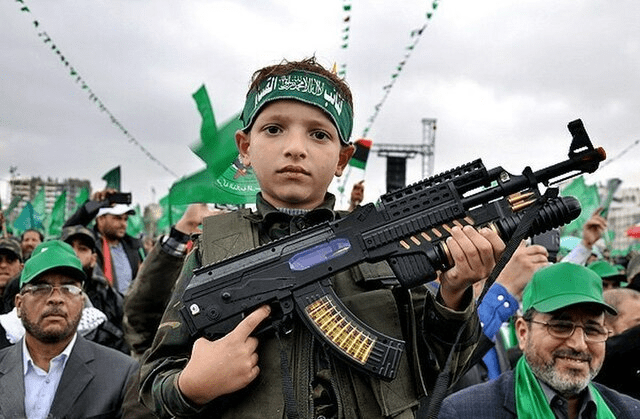
The history of Hamas is a complex narrative intertwined with the broader Palestinian struggle for self-determination and statehood. While the organization has gained support for its resistance efforts against Israeli occupation, its militant tactics and uncompromising stance have also sparked controversy and condemnation. As the Israeli-Palestinian conflict persists, understanding the origins and evolution of groups like Hamas is essential for fostering dialogue, promoting peace, and working towards a stable and just resolution for all parties involved.
 The American Centrist
.jpg)
.jpg)