
In the hallowed halls of the United States Capitol, where political battles often play out on the grandest stage, a new saga is unfolding within the Republican Party. The recent House Speaker battle has become emblematic of a broader struggle within the GOP, showcasing a party at odds with itself. As candidates vie for the influential position, the deep-seated divisions within the Republican ranks have come to the fore, highlighting the ideological and strategic differences that threaten to reshape the party’s future.
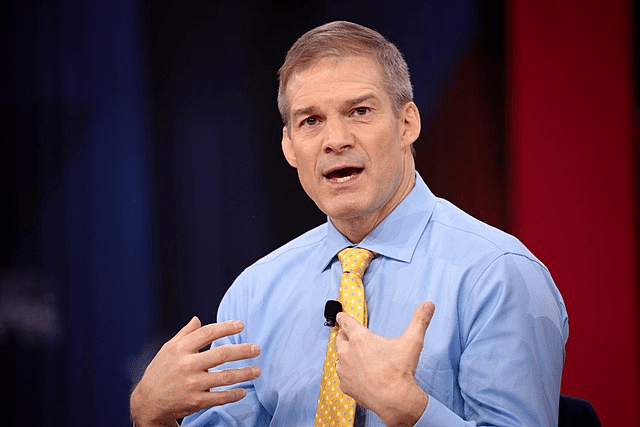
The Speaker of the House: A Pivotal Position
The Speaker of the House is a pivotal role, charged with presiding over the House of Representatives and shaping the legislative agenda. Historically, the position has been a symbol of party unity and strength. However, in recent times, the selection process has become increasingly contentious, reflecting the growing internal schisms within the Republican Party.
Ideological Fault Lines
At the heart of the Republican Party’s internal strife lies a fundamental ideological conflict. Traditional conservatives find themselves at odds with a rising wave of populist, nationalist, and more radical factions within the party. The battle for the speakership has become a battleground for these clashing ideologies. Establishment Republicans, who advocate for moderation and traditional conservative values, are now pitted against a vocal faction demanding a more confrontational and uncompromising approach.
Strategic Disagreements
In addition to ideological divisions, strategic disagreements have further exacerbated the Republican Party’s internal rifts. The question of how to approach key issues such as immigration, healthcare, and economic policy has led to intense debates within the party. Some Republicans advocate for a more inclusive approach, aiming to broaden the party’s appeal to a wider demographic, while others prefer a more hardline stance, focusing on energizing the party’s base.
The Influence of Former President
The influence of former President Donald Trump looms large over this internal struggle. Trump’s brand of populism has galvanized a significant portion of the Republican base, leading to a schism between those who embrace his unconventional style and those who view it as a departure from traditional conservative values. Trump’s endorsements in the House Speaker battle have further highlighted the divide, with candidates aligning themselves either with or against the former president’s vision for the party.
Implications for the Future
The outcome of the House Speaker battle holds profound implications for the Republican Party’s future. A party divided against itself may find it challenging to present a united front to voters, potentially hampering its electoral prospects in the upcoming elections. The internal discord also raises questions about the GOP’s ability to effectively govern and work cohesively in Congress, which could impact the party’s ability to advance its policy agenda.
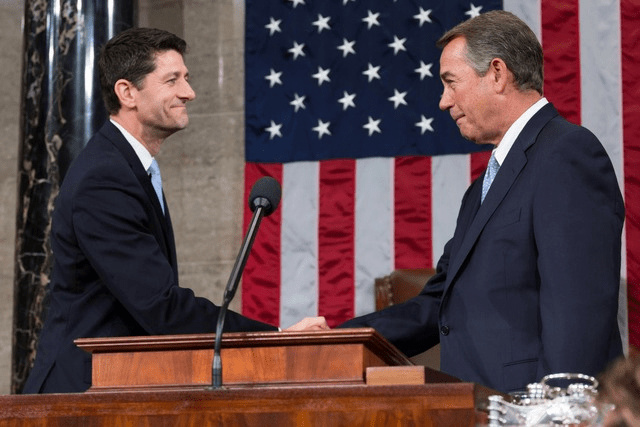
As the House Speaker battle rages on, the Republican Party finds itself at a crossroads. The deep ideological and strategic divisions within the party have been laid bare, showcasing a GOP struggling to define its identity and chart a unified path forward. How the party resolves these internal conflicts will undoubtedly shape the trajectory of American politics, influencing not only the upcoming elections but also the direction of the nation as a whole. Only time will tell whether the Republican Party can bridge these divides and emerge stronger, or if the internal schisms will continue to widen, reshaping the political landscape for years to come.
 The American Centrist
.jpg)