
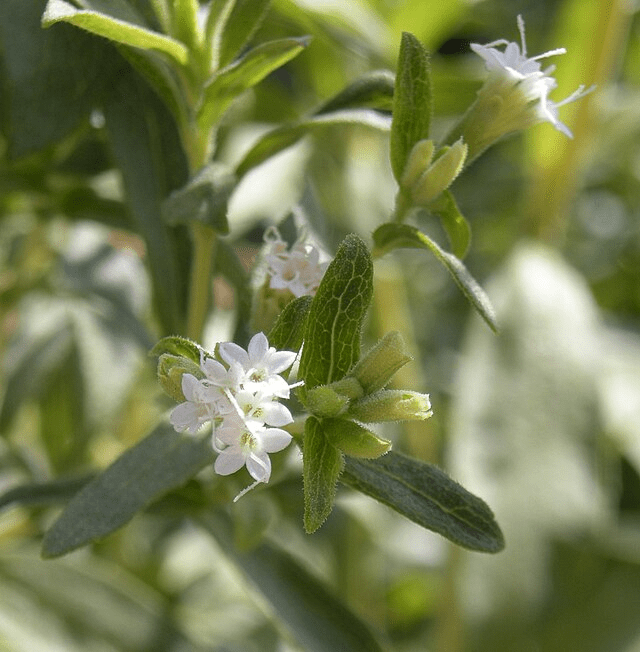
Stevia, a natural sweetener derived from the leaves of the Stevia rebaudiana plant (also known as “sugar leaf”), has gained popularity as a healthier alternative to sugar and artificial sweeteners. It boasts zero calories and is significantly sweeter than sugar. However, like any other food product, Stevia comes with its own set of pros and cons. In this article, we will explore the advantages and disadvantages of Stevia, allowing readers to make informed choices about its consumption.
Pros of Stevia:
1. Natural Origin: Stevia is a plant-derived sweetener, making it an attractive choice for those seeking natural alternatives to refined sugar and artificial sweeteners. It undergoes minimal processing, preserving its plant-based origins.
2. Zero Calories: One of the significant advantages of Stevia is its lack of calories. This makes it an ideal option for individuals looking to manage their weight or reduce calorie intake, without sacrificing sweetness in their diet.
3. Low Glycemic Index: Stevia does not cause rapid fluctuations in blood sugar levels, making it a safe choice for diabetics and those striving to maintain stable blood sugar levels. It can be incorporated into the diets of individuals with diabetes without negatively impacting their health.
4. Tooth-Friendly: Unlike sugar, Stevia does not contribute to tooth decay. Bacteria in the mouth cannot break down Stevia, reducing the risk of cavities and promoting oral health.
5. Plant-Based Compounds: Stevia contains natural compounds that have potential health benefits, including antioxidants and anti-inflammatory properties. While more research is needed, these properties make Stevia an intriguing subject in the world of natural medicine.
Cons of Stevia:
1. Bitter Aftertaste: One of the most common complaints about Stevia is its bitter aftertaste. Some individuals find this taste unpleasant and might not enjoy it in certain foods or beverages. The intensity of the aftertaste can vary between brands and forms of Stevia.
2. Digestive Issues: In some cases, Stevia consumption can lead to digestive problems such as bloating and gas, particularly when consumed in large quantities. Individuals with sensitive digestive systems might experience discomfort after consuming products containing Stevia.
3. Processing Methods: While Stevia itself is natural, the methods used to process and refine it into commercial sweeteners can involve chemical solvents. Some people are concerned about the potential residues from these processes remaining in the final product.
4. Potential for Sweet Cravings: Some studies suggest that intense sweetness, such as that provided by Stevia, might lead to increased cravings for sweet foods and beverages. Over time, this could contribute to unhealthy eating habits if not managed mindfully.
Stevia, with its natural origins and zero-calorie benefits, is a viable alternative to sugar and artificial sweeteners. When compared to other faux sweeteners, like sucralose, it comes out on top with the fewest cons. However, its bitter aftertaste and potential digestive issues might deter some consumers. As with any dietary choice, individual preferences and tolerances play a crucial role. Moderation and mindful consumption are key when incorporating Stevia into one’s diet. By understanding the pros and cons, individuals can make informed decisions about whether Stevia aligns with their health goals and taste preferences.
 The American Centrist
