
With Ohio’s Republican controlled legislature pushing House bill 349, critics are saying that spending more tax dollars to further promote fossil fuel usage and infrastructure in the state is detrimental to Ohio’s future. However, the facts are stacked against the anti-fossil fuel groups who rely too heavily on cherry-picked statistics without considering the state’s current economic reality. Ohio is already heavily invested in the fossil fuel industry, and while considering climate change is important, cutting ties with fossil fuels is no easy task, nor is it necessary thanks to the industry’s adaptation to environmental concerns.
Ohio’s energy landscape has long been shaped by its abundant fossil fuel resources, playing a pivotal role in driving economic growth, powering industries, and meeting the energy needs of its residents. Fossil fuels, including coal, natural gas, and oil, have been instrumental in powering the state’s economy and supporting its infrastructure for decades. Despite the growing interest in renewable energy sources, fossil fuels remain a cornerstone of Ohio’s energy sector due to their reliability, affordability, and accessibility.
Unfortunately, both sides of the political/energy spectrum tends to over-exaggerate the truth about their favorite energy, while slandering their opponents as much as possible. This had lead to a radical polarization of the issue that leaves both sides largely uneducated to the full extent on the subject. However, a centrist approach to the issue that considers both sides will reveal that green energy is good, but cleaner fossil fuels can be good too – especially in areas that have grown up with fossil fuels for the past two centuries, such as Ohio.
Be wary of propaganda videos on both the left AND the right who try to manipulate you with quick, cherry picked data instead of explaining the big picture. The fact of the matter is, both sides have pros and cons, and you should be doing extensive research, at least for your local area, in the event you decide to get involved in voting on measures that push either agenda. Remember to hear both sides of the argument before you decide.
While climate change and other environmental concerns are indeed a pressing issue, they can not always be realistically addressed purely one way or another. A compromise solution that tries to cater to both interests is the best, and most probable way of moving forward. For example, using fossil fuels for energy in places where it’s already firmly established and can simply be made cleaner would be good for the fossil fuel industry, while also protecting the environment as much as possible. Meanwhile, using green energy to fuel new projects and add to the power grid where fossil fuels have yet to stake a claim, can lead to clean and powerful energy investments worthy of government and private contracts.
Changing Direction: Competition VS Domination
While it’s no secret that when green, renewable energies like solar, wind, and nuclear hit the market, fossil fuel companies saw it as a threat to their complete domination of the fuel industry. And, just like any company would in a competitive, capitalist market, they pushed back hard in an effort to completely crush their new competitors. Everything from buying patents to outright propaganda was used to try and stop the green revolution. However, as time went on and people became more aware and educated on the subject, it was only a matter of time before green energy became a major player in the power game.
This meant that the fossil fuel industry had to make a choice. They could either try to buy out their competitors, (which was becoming more and more expensive), or they could adapt their strategy to become more competitive against them. They decided to do both. The fossil fuel industry started investing in green companies, diversifying their portfolios so that they could profit from the green energy boom instead of simply trying to throw money at it in hopes that it would go away. They then began make drastic changes to how they harvest, produce, distribute, and refine their products so that they could reduce their environmental damage. Thus the new “clean fossil fuel” industry was born.
Coal: A Historic Backbone
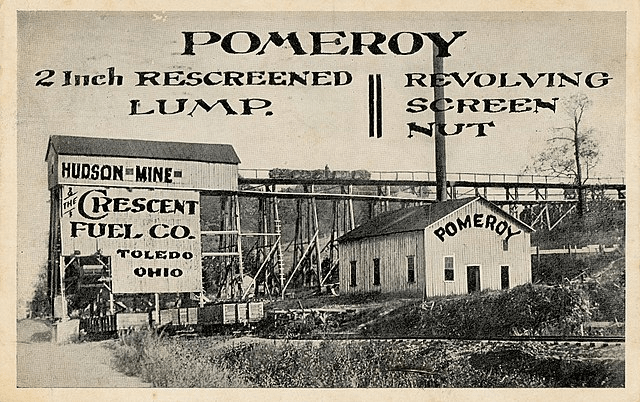
For decades, coal has been the primary source of energy generation in Ohio, earning it the moniker of the “Buckeye State’s” historic backbone. Ohio’s coal reserves have fueled power plants, providing a steady and reliable source of electricity to homes, businesses, and industries across the state. The coal industry has not only supported local economies but has also created jobs in mining, transportation, and power generation sectors. It’s also important to remember that these businesses pay taxes that help fund projects like road and bridge repair, pay for emergency services, and give money to schools.
However, it’s only fair to point out that coal is a major cause of pollution, no doubt about it. But shutting down coal production isn’t the answer. Simply making it cleaner using advanced tech can let the coal industry have its cake and eat it too. This is exactly what coal producers have been doing for years now. In fact, clean coal is proof that the fossil energy isn’t getting replaced by green energy, its competing with it. Keep this in mind next time you hear complaints about both industries.
Natural Gas: A Growing Player
In recent years, natural gas has emerged as a prominent player in Ohio’s energy landscape. The state sits atop significant reserves of natural gas, particularly within the Utica and Marcellus shale formations. The development of hydraulic fracturing (fracking) technology has unlocked access to these vast reserves, transforming Ohio into a key player in the nation’s natural gas production. The abundance of natural gas has not only provided a cleaner alternative to coal but has also contributed to energy diversification and reduced dependence on imported fuels. This is incredibly important to consider when studying the reality of Ohio’s economy.
Much like coal, natural gas producers have worked vigorously to clean up their act in the face of backlash due to environmental impacts of fracking and pipeline construction. These are indeed serious concerns as they often results in gross amounts of pollution and carbon emissions. However, the NG industry quickly adapted their strategy, not because they care about mother earth, but because ignoring these negative trends is bad for business. They need to stay competitive, and providing cleaner energy while mitigating environmental damage is the way to do it.
Oil: Driving Economic Growth
Ohio’s oil industry has experienced a resurgence in recent years, driven by advancements in drilling techniques and the exploration of untapped reserves. The discovery of shale oil formations, such as the Utica shale, has positioned the state as a significant oil producer in the region. The growth of the oil industry has stimulated economic development, creating jobs, attracting investments, and bolstering local economies in regions like the Appalachian Basin.
Much like the clean coal and NG revolution, oil companies have responded to complaints about their impact on the global environment by finding ways to get their oil in safer, and more environmentally conscious ways. They do not see alternative energy as their downfall, but as a rival to beat in the energy market. Many oil tycoons are diversifying their portfolios to include green energy investments. At the same time, oil companies are finding ways to clean up their production so that they can improve their “dirty fuel” reputation and remain relevant in modern times. Ohio’s oil business is no exception to this trend.
Ohio Economic Impact:
The fossil fuel industry plays a vital role in Ohio’s economy, contributing billions of dollars annually and supporting thousands of jobs across the state. From coal mining in southeastern Ohio to natural gas production in the Utica shale region, the fossil fuel sector generates revenue, tax income, and employment opportunities for local communities. Additionally, the presence of abundant and affordable fossil fuels has attracted energy-intensive industries to Ohio, including manufacturing, petrochemicals, and steel production, further driving economic growth and competitiveness.
Challenges and Opportunities:
While fossil fuels continue to play a crucial role in Ohio’s energy mix, they also pose challenges, including environmental concerns, such as air and water pollution, and the contribution to climate change through greenhouse gas emissions. However, advancements in technology and regulatory measures have led to cleaner and more efficient utilization of fossil fuels, mitigating their environmental impact.
Moreover, Ohio is not immune to the global shift towards renewable energy sources. The state has been increasingly investing in renewable energy infrastructure, such as wind and solar farms, as well as exploring cleaner technologies like carbon capture and storage (CCS) to reduce emissions from fossil fuel power plants. By embracing innovation and diversifying its energy portfolio, Ohio can navigate the transition towards a more sustainable and resilient energy future while leveraging its existing fossil fuel resources.
Lastly, it’s important that there is more to remember about power and energy than just the source. The powerlines matter too. In many areas they will need to be upgraded before more or new energy producers can be connected. This video from Vox explains it well.
In conclusion, fossil fuels remain integral to Ohio’s energy landscape, providing reliable, affordable, and abundant sources of energy that power the state’s economy and support its communities. While facing challenges, including environmental concerns and the transition to cleaner energy sources, Ohio has the opportunity to capitalize on its fossil fuel assets while embracing innovation and sustainability to ensure a prosperous and resilient energy future.
 The American Centrist
.jpg)