
Fighting games have long held a special place in the hearts of gamers worldwide. From the classic arcade cabinets of Street Fighter to the modern online arenas of Tekken and Mortal Kombat, the genre has undergone a remarkable evolution over the years, continually pushing the boundaries of gameplay, graphics, and competitive depth. Let’s take a journey through the evolution of fighting games and explore how they have improved and innovated over time.

The Birth of a Genre
The roots of the fighting game genre can be traced back to the arcades of the 1980s, with games like Karate Champ and Street Fighter laying the groundwork for what was to come. However, it was Capcom’s seminal release, Street Fighter II, in 1991 that truly defined the genre and captured the imaginations of gamers worldwide. With its colorful characters, precise controls, and iconic special moves, Street Fighter II set the standard for what a fighting game could be.
From 2D to 3D: A Visual Revolution
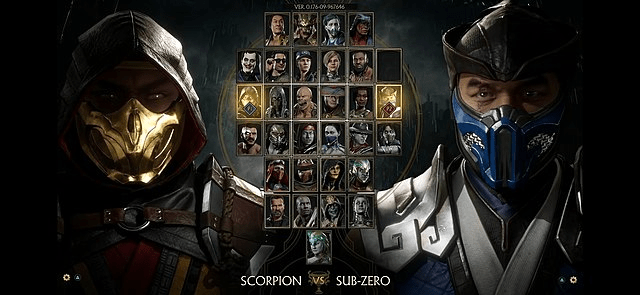
As technology advanced, so too did the capabilities of fighting games. The transition from 2D sprites to 3D polygons opened up new possibilities for developers, allowing for more immersive environments, dynamic camera angles, and fluid character animations. Games like Virtua Fighter and Tekken led the charge in bringing the fight into the third dimension, offering players a whole new perspective on the genre.

Deepening Complexity: Strategy and Skill
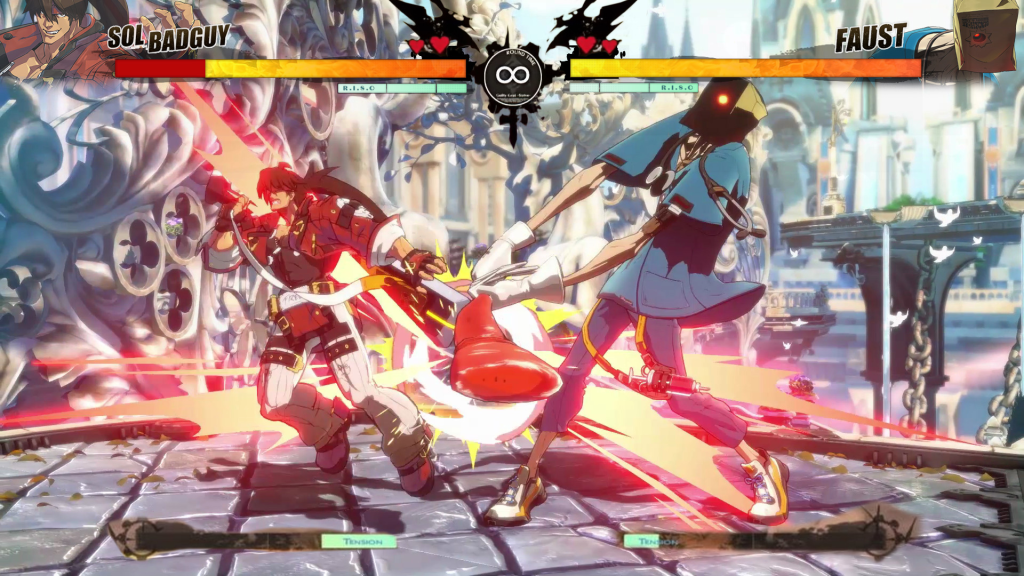
One of the most significant improvements in fighting games over the years has been the deepening of gameplay mechanics and the emphasis on strategy and skill. While early fighting games often relied on simple inputs and button mashing, modern titles offer a staggering array of moves, combos, and techniques for players to master. From precise timing and execution to mind games and reading your opponent, today’s fighting games demand a level of strategic thinking and finesse that was unimaginable in the past.
Accessibility and Inclusivity
Another area where fighting games have improved is in accessibility and inclusivity. While the genre has historically been known for its steep learning curves and high skill ceilings, developers have made efforts to welcome players of all skill levels. Features like tutorials, practice modes, and adjustable difficulty settings make it easier for newcomers to get into the action, while robust online matchmaking systems allow players to find opponents of similar skill levels from around the world.

The Rise of Esports
Perhaps the most significant evolution in the world of fighting games has been the rise of esports. What was once a niche hobby confined to arcades and living rooms has exploded into a global phenomenon, with professional players competing for fame, glory, and substantial prize pools in tournaments around the world. Games like Street Fighter V, Super Smash Bros. Ultimate, and Tekken 7 have become mainstays of the competitive gaming scene, attracting thousands of players and spectators alike.

Looking to the Future
As we look to the future, the evolution of fighting games shows no signs of slowing down. With advances in technology, including virtual reality and augmented reality, we can expect to see even more immersive and innovative gameplay experiences in the years to come. Whether you’re a seasoned veteran or a newcomer to the genre, there’s never been a better time to pick up a controller and step into the ring.
VR is especially exciting because it’s revolutionizing the gaming landscape with immersive experiences like never before. With advancements in VR technology, players now find themselves stepping into the arenas they once only dreamed of. Every punch, kick, and combo feels visceral and real as they engage in intense battles against opponents from around the globe. From classic titles adapted for VR to brand-new releases crafted specifically for this platform, the fusion of fighting games and virtual reality offers players a thrilling fusion of adrenaline-pumping action and unparalleled immersion. As players don their VR headsets and enter these digital battlegrounds, they become champions in their own right, mastering the art of combat in a virtual world where skill and strategy reign supreme.
In conclusion, the evolution of fighting games over the years is a testament to the creativity, ingenuity, and passion of game developers and players alike. From humble beginnings in the arcades to the global phenomenon of esports, fighting games have come a long way, continually pushing the boundaries of what is possible and captivating audiences around the world. As we look forward to the future, one thing is certain: the fight is far from over.
 The American Centrist


