
As the conflict in Ukraine intensifies, the United States’ decision to provide financial aid and weapons to the Ukrainian government has sparked debate. Some argue that this constitutes direct involvement in the conflict, while others maintain that it falls short of active participation.
Speaker Mike Johnson’s approach to passing the aid bill to Ukraine was characterized by bipartisan cooperation and a commitment to supporting Ukraine’s sovereignty. Recognizing the urgency of the situation, Johnson worked across party lines to garner support for the bill, emphasizing the importance of standing with Ukraine in the face of aggression.
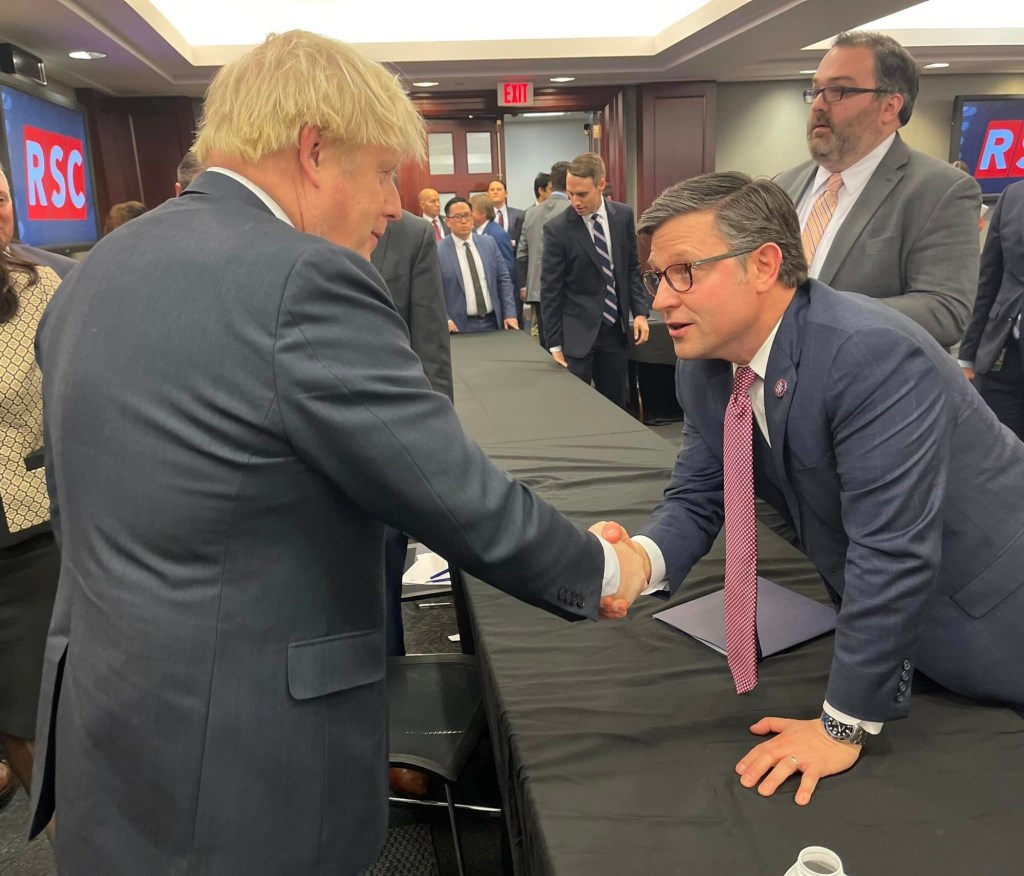
He employed diplomatic channels to build consensus and ensure that the aid package received broad bipartisan backing, demonstrating a commitment to upholding international norms and commitments. Johnson’s leadership was marked by pragmatism and a focus on achieving concrete results to bolster Ukraine’s defense capabilities while avoiding further escalation of the conflict. Despite backlash from alt right Republican extremists like Marjorie Taylor Green, speaker Johnson has proven that he is more of a centrist than he realizes.
Many people are concerned that the US involvement counts as actively participating in the war. However this isn’t exactly true. There are many technicalities that classify the actions of the United States as merely supporting an ally, not direct involvement. Here’s why US assistance to Ukraine doesn’t equate to participating in the war:
1. Legal and Diplomatic Distinctions:
Sending aid to Ukraine does not meet the criteria for direct involvement in a war. The assistance provided by the US is within the bounds of international law and diplomatic norms. It is aimed at bolstering the defense capabilities of Ukraine rather than engaging directly in combat.
2. Support for Sovereignty and Self-Defense:
The US assistance to Ukraine is primarily aimed at supporting the country’s sovereignty and right to self-defense. Ukraine has the right to defend itself against aggression, and US aid helps it to do so. This aligns with the broader US foreign policy goal of supporting democratic nations facing external threats.
3. Defensive Nature of Aid:
The nature of the aid provided by the US is defensive in nature. It includes equipment, training, and financial support aimed at enhancing Ukraine’s ability to defend itself against external aggression. This differs from direct military intervention or offensive actions.
4. International Norms and Agreements:
Providing aid to Ukraine is consistent with international norms and agreements. Many countries, including the US, have pledged support for Ukraine’s territorial integrity and have condemned Russian aggression. Offering assistance is a way to uphold these commitments without escalating the conflict further.
5. Diplomatic Channels and Multilateral Efforts:
The US is also engaged in diplomatic efforts and multilateral initiatives aimed at resolving the conflict in Ukraine through peaceful means. While providing aid, the US continues to advocate for dialogue, negotiations, and adherence to international agreements.
6. Avoiding Escalation and Direct Confrontation:
By providing aid rather than direct military intervention, the US aims to avoid escalation and direct confrontation with Russia. Direct involvement could escalate the conflict into a wider and more destructive war, with unpredictable consequences.
7. Supporting Stability in the Region:
US assistance to Ukraine is also aimed at promoting stability in the region. A stronger, more stable Ukraine can contribute to regional security and deter further aggression, thus benefiting not only Ukraine but also its neighbors and the broader international community.
In conclusion, while the US provides financial aid and weapons to Ukraine, it does so in a manner that falls short of direct participation in the conflict. Instead, the assistance is aimed at supporting Ukraine’s right to defend itself, upholding international norms and agreements, and promoting stability in the region. It’s a delicate balance aimed at bolstering Ukraine’s defense capabilities while avoiding further escalation of the conflict.
 The American Centrist
