
The UAE and Saudi Arabia are leveraging their economic and political clout to influence Sudan’s warring factions, aiming to stabilize the region while expanding their own influence. Both nations have provided substantial financial aid and diplomatic support, hoping to sway the rival military and civilian leaders toward a resolution that aligns with their strategic interests. By mediating peace talks and offering development projects, they seek to secure a foothold in Sudan, potentially gaining access to its resources and strategic ports on the Red Sea. This involvement underscores their broader ambitions of asserting dominance in the Horn of Africa, countering Iranian and Turkish influence, and fostering a more favorable geopolitical landscape.

Sudan, a country with a tumultuous history marked by civil wars, coups, and political instability, is once again embroiled in a devastating conflict. The current war, which reignited in April 2023, has plunged the nation into chaos, displacing millions and exacerbating an already dire humanitarian situation. Allow us to provide a comprehensive overview of the war in Sudan, exploring its origins, key players, and the impact on the civilian population.
.svg)
Origins of the Conflict
The roots of the current conflict can be traced back to longstanding tensions between Sudan’s military factions. Following the ousting of long-time dictator Omar al-Bashir in 2019, Sudan embarked on a fragile transition towards democracy. However, power struggles between the military and civilian leadership have continually threatened this transition.
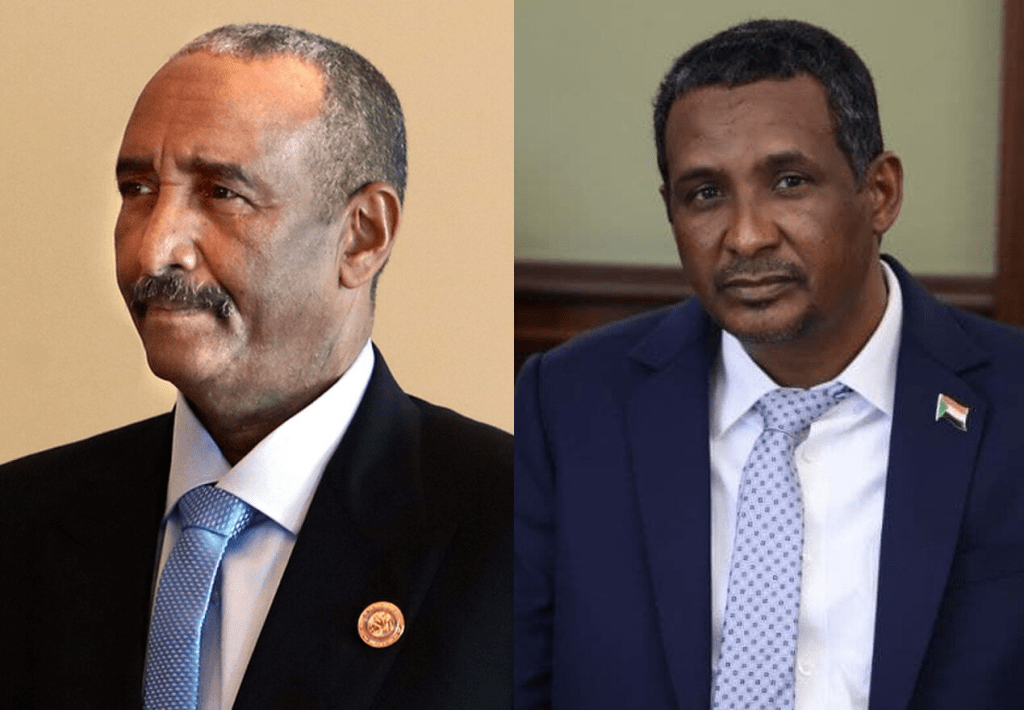
In October 2021, a coup led by General Abdel Fattah al-Burhan, head of the Sudanese Armed Forces (SAF), disrupted the fragile peace. The coup was met with widespread domestic and international condemnation, leading to mass protests and a crackdown on civil society. Despite agreements to share power, tensions between al-Burhan and General Mohamed Hamdan Dagalo, known as Hemedti, the leader of the paramilitary Rapid Support Forces (RSF), continued to escalate.
Escalation of Violence
The tipping point came in April 2023 when clashes between the SAF and RSF erupted in the capital, Khartoum. The conflict quickly spread to other regions, drawing in various armed groups and militias. The fighting has been characterized by heavy artillery, airstrikes, and widespread destruction of infrastructure.
The power struggle is primarily driven by control over Sudan’s political future and its vast natural resources, including gold and oil. Both al-Burhan and Hemedti seek to consolidate power, leading to a brutal confrontation with severe repercussions for the civilian population.
Humanitarian Crisis
The war has precipitated a catastrophic humanitarian crisis. According to the United Nations, millions of Sudanese have been displaced, both internally and as refugees in neighboring countries such as Chad, Egypt, and South Sudan. Those remaining in conflict zones face dire conditions, with limited access to food, water, and medical care.
Human rights organizations have reported widespread atrocities, including indiscriminate bombings, sexual violence, and extrajudicial killings. The destruction of healthcare facilities and the targeting of aid workers have further exacerbated the crisis, leaving many without essential services.
International Response
The international community has reacted with a mixture of condemnation, calls for ceasefires, and attempts at mediation. The African Union (AU), the United Nations, and various regional actors have sought to broker peace talks, but these efforts have repeatedly faltered due to the entrenched positions of the warring factions.
Economic sanctions and arms embargoes have been imposed, aiming to pressure both sides into negotiations. However, the effectiveness of these measures is limited, as the conflict dynamics are deeply rooted in internal power struggles and complex regional alliances.
Path to Peace
Achieving lasting peace in Sudan requires addressing the underlying issues that fuel the conflict. This includes not only mediating a ceasefire but also ensuring a genuine transition to civilian rule, addressing economic disparities, and providing justice for victims of violence.
Key steps toward peace include:
- Inclusive Dialogue: Facilitating dialogue among all stakeholders, including marginalized groups, to build a consensus on the country’s future.
- Humanitarian Aid: Ensuring the safe delivery of humanitarian aid to affected populations and rebuilding essential infrastructure.
- Justice and Accountability: Holding perpetrators of war crimes accountable to restore trust and promote reconciliation.
Conclusion
The war in Sudan is a stark reminder of the fragility of peace in a country with a history of conflict and political upheaval. The human toll is immense, with millions affected by violence and displacement. While the path to peace is fraught with challenges, sustained international engagement and a commitment to addressing the root causes of the conflict are essential. Only through concerted efforts can Sudan hope to emerge from this crisis and move towards a stable and prosperous future.
 The American Centrist