
Disease is a common problem in Africa. Malaria and HIV are still rampant to this day. Uganda is currently at the medical forefront, battling the two diseases at the same time. They have even been put in charge of making vaccine kits.
Uganda’s battle against HIV and malaria has been marked by concerted efforts, innovative strategies, and substantial progress, though challenges remain. The East African nation has implemented comprehensive programs to curb the spread of these diseases, leveraging a combination of prevention, treatment, and community engagement.
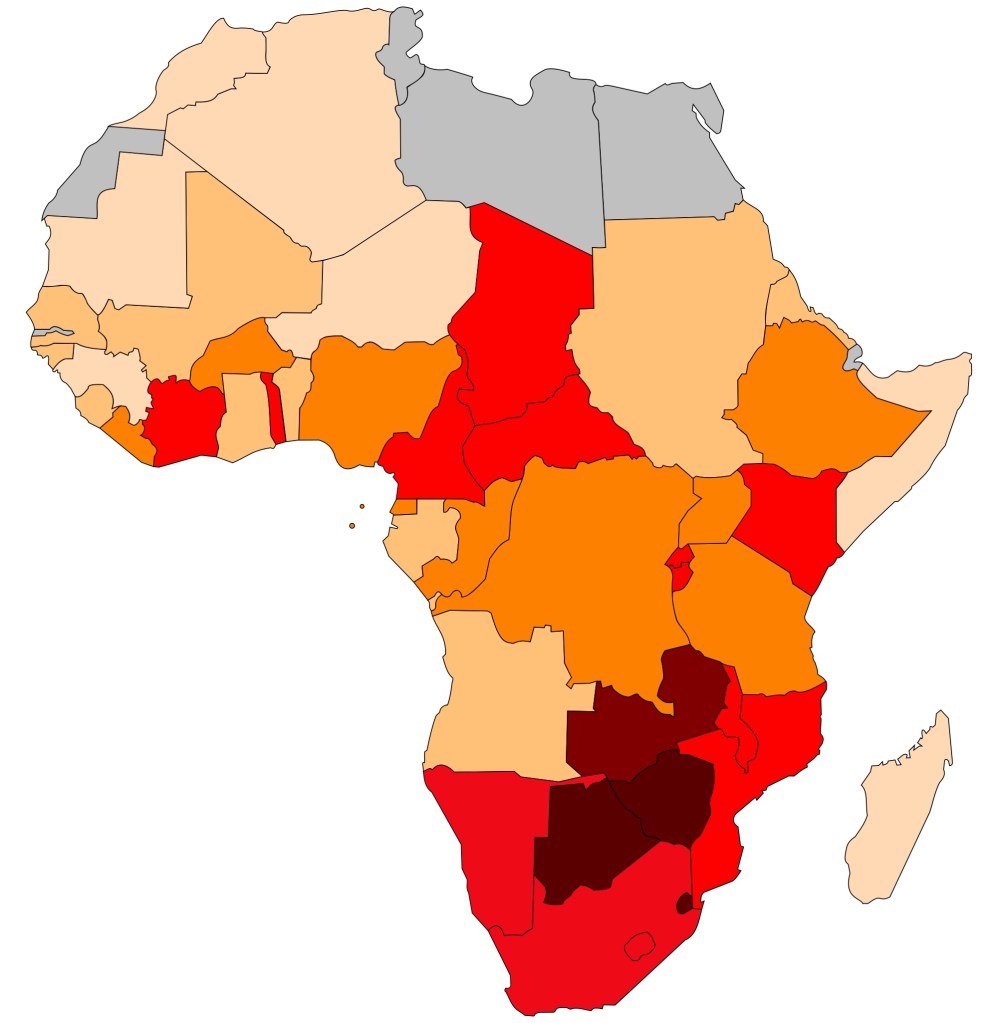
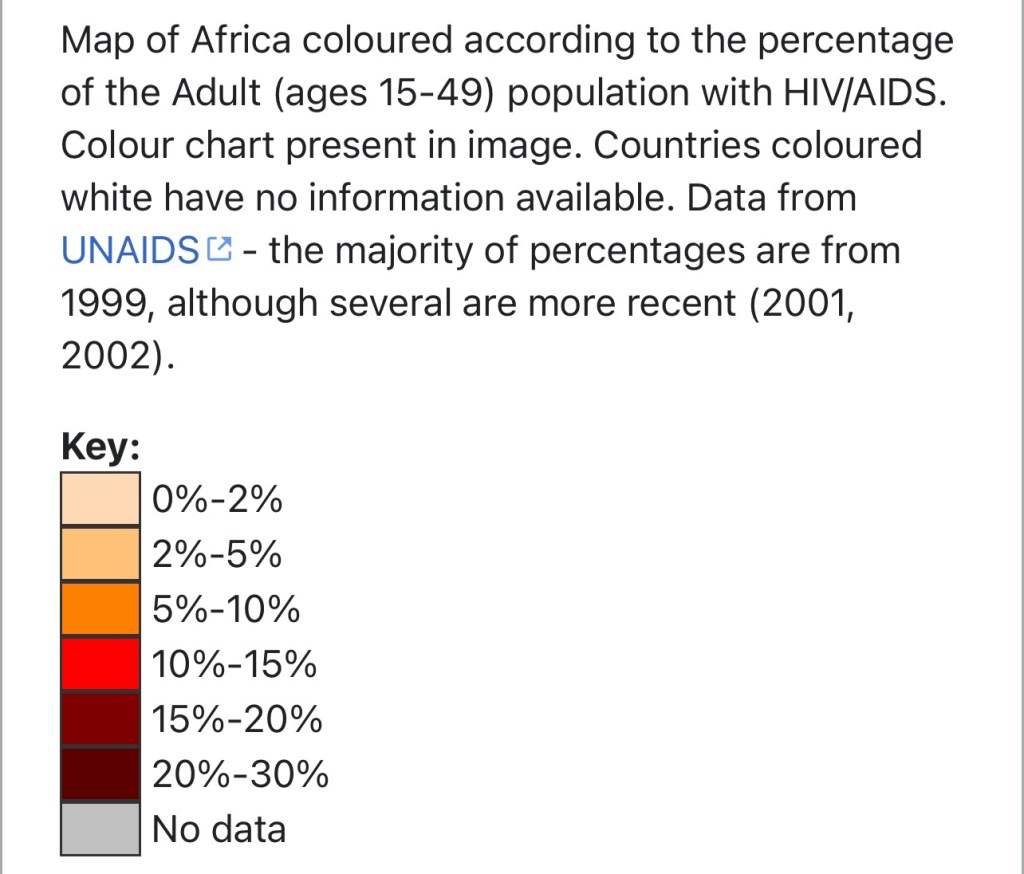
Combating HIV/AIDS
Uganda has long been recognized for its proactive stance against HIV/AIDS. In the late 1980s and early 1990s, the country faced a severe HIV epidemic, but its aggressive public health campaigns helped to significantly reduce infection rates. However, HIV is still a serious threat that Uganda fights to this day, and maintaining and building on their gains has required continuous adaptation and commitment by Ugandan medical professionals.
- Prevention Programs: Uganda’s approach to HIV prevention includes widespread public education campaigns, promoting safe sex practices, and the use of condoms. The ABC strategy (Abstinence, Be faithful, Condom use) was pivotal in the early stages and continues to underpin prevention efforts. More recently, the introduction of pre-exposure prophylaxis (PrEP) has provided high-risk populations with an additional protective measure.
- Treatment and Care: The rollout of antiretroviral therapy (ART) has been critical. Uganda has expanded access to ART, with over 1.3 million people currently receiving treatment. This has not only improved the quality of life for those living with HIV but also reduced transmission rates. The government, supported by international donors like PEPFAR and the Global Fund, has made significant strides in ensuring that ART is accessible even in remote areas.
- Mother-to-Child Transmission: Uganda has prioritized the elimination of mother-to-child transmission (MTCT) of HIV. Pregnant women are provided with HIV testing and, if necessary, ART to prevent transmission to their babies. These efforts have dramatically reduced the rate of MTCT.
- Community Involvement: Recognizing the importance of community engagement, Uganda has involved local leaders, civil society organizations, and people living with HIV in its response. This has helped to reduce stigma and discrimination, which are major barriers to accessing prevention and treatment services.
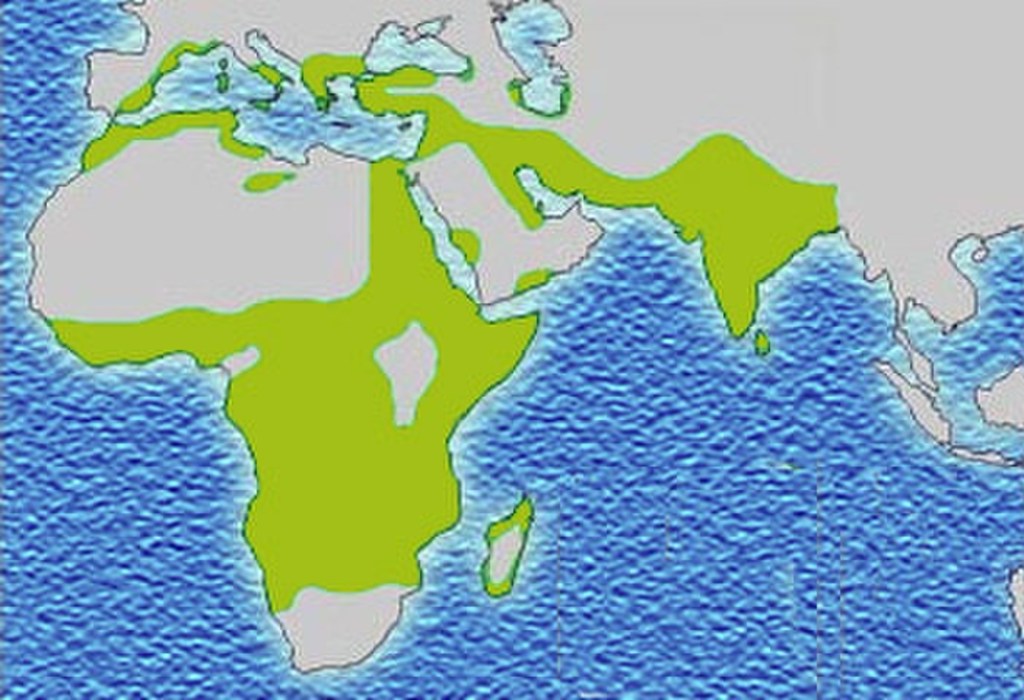
Battling Malaria
Malaria remains a significant public health challenge in Uganda, but the country has made notable progress through a multi-faceted approach.
- Insecticide-Treated Nets (ITNs): Distribution of ITNs has been a cornerstone of Uganda’s malaria prevention strategy. Millions of nets have been distributed nationwide, significantly reducing the incidence of malaria, especially among children and pregnant women.
- Indoor Residual Spraying (IRS): The use of IRS has been expanded in high-transmission areas. This involves spraying the interior walls of homes with insecticides, effectively reducing the population of mosquitoes that transmit malaria.
- Prompt Diagnosis and Treatment: Improving access to diagnostic testing and effective antimalarial treatments has been another key focus. The introduction of rapid diagnostic tests (RDTs) has allowed for quicker and more accurate diagnosis of malaria, ensuring timely treatment. Artemisinin-based combination therapies (ACTs) are widely available and are the first-line treatment for malaria in Uganda.
- Education and Awareness: Public health campaigns have been essential in educating communities about malaria prevention and the importance of seeking prompt treatment. These campaigns often involve collaboration with local leaders and health workers to ensure messages are culturally appropriate and widely disseminated.
- Research and Innovation: Uganda has been at the forefront of malaria research, contributing to the development and testing of new interventions, including potential malaria vaccines. The country has also participated in studies on insecticide resistance, helping to inform global strategies for malaria control.
Ongoing Challenges and Future Directions
Despite these efforts, challenges persist. Both HIV and malaria are complex diseases influenced by numerous social, economic, and biological factors. In the fight against HIV, addressing issues such as funding gaps, drug resistance, and reaching marginalized populations remains critical. For malaria, sustaining the gains made in prevention and treatment, especially in the face of insecticide resistance and changing climatic conditions that may affect mosquito populations, is essential.
Uganda’s comprehensive strategies and community-driven approaches have demonstrated that significant progress is possible. Continued commitment, innovation, and international support will be crucial as Uganda strives to eliminate these public health threats and improve the overall health and well-being of its population.
 The American Centrist