
The Great Lakes—Superior, Michigan, Huron, Erie, and Ontario—are the largest group of freshwater lakes on Earth by surface area, and they hold roughly 20% of the world’s surface fresh water. But beyond their sheer size and beauty, the Great Lakes are home to one of North America’s most important and historic fishing industries. For centuries, these waters have supported ecosystems, Indigenous communities, commercial fishing operations, and a booming recreational industry. Today, the fishing industry of the Great Lakes is at a crossroads, balancing economic opportunity with ecological responsibility.
A Rich History of Fishing
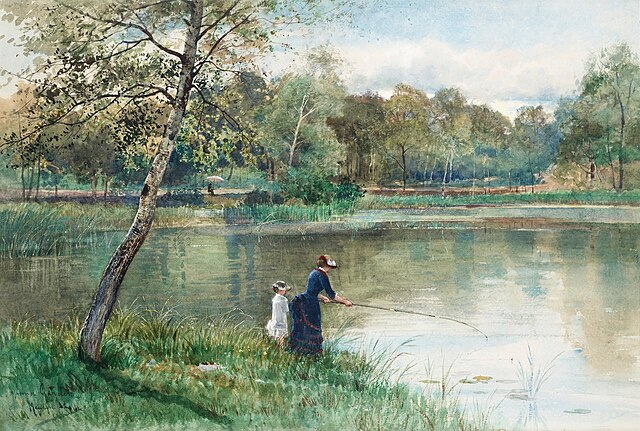
Fishing on the Great Lakes began long before European settlers arrived. Indigenous peoples, including the Ojibwe and Haudenosaunee, relied on lake trout, whitefish, and walleye for sustenance and trade. In the 19th century, commercial fishing exploded as European immigrants settled the region, establishing ports and fish processing plants. By the late 1800s, the lakes were producing hundreds of millions of pounds of fish annually, feeding cities across the United States and Canada.
The Commercial Fishing Industry
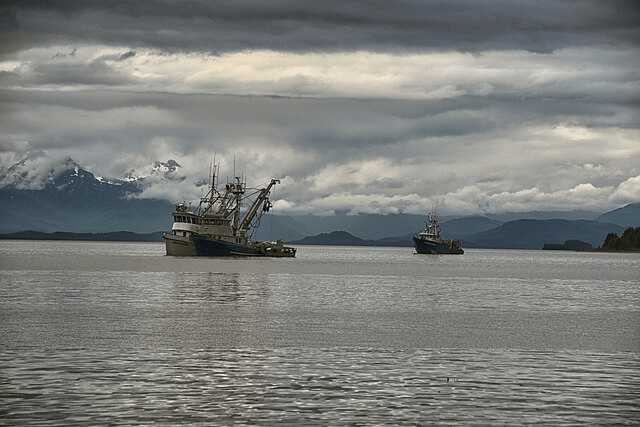
Today, commercial fishing is still active on all five lakes, but it’s far smaller than it once was—largely due to overfishing, pollution, and the introduction of invasive species. Lake Erie remains the most productive of the Great Lakes for commercial fishing, especially for yellow perch and walleye. Ontario, particularly, has a well-regulated and sustainable fishery.
The industry supports hundreds of jobs directly and indirectly through processing, shipping, and supply chains. Much of the commercial fishing today focuses on species like whitefish, perch, and smelt. Government agencies on both sides of the border regulate quotas, seasons, and methods to ensure the fisheries remain viable long-term.
A Recreational Powerhouse
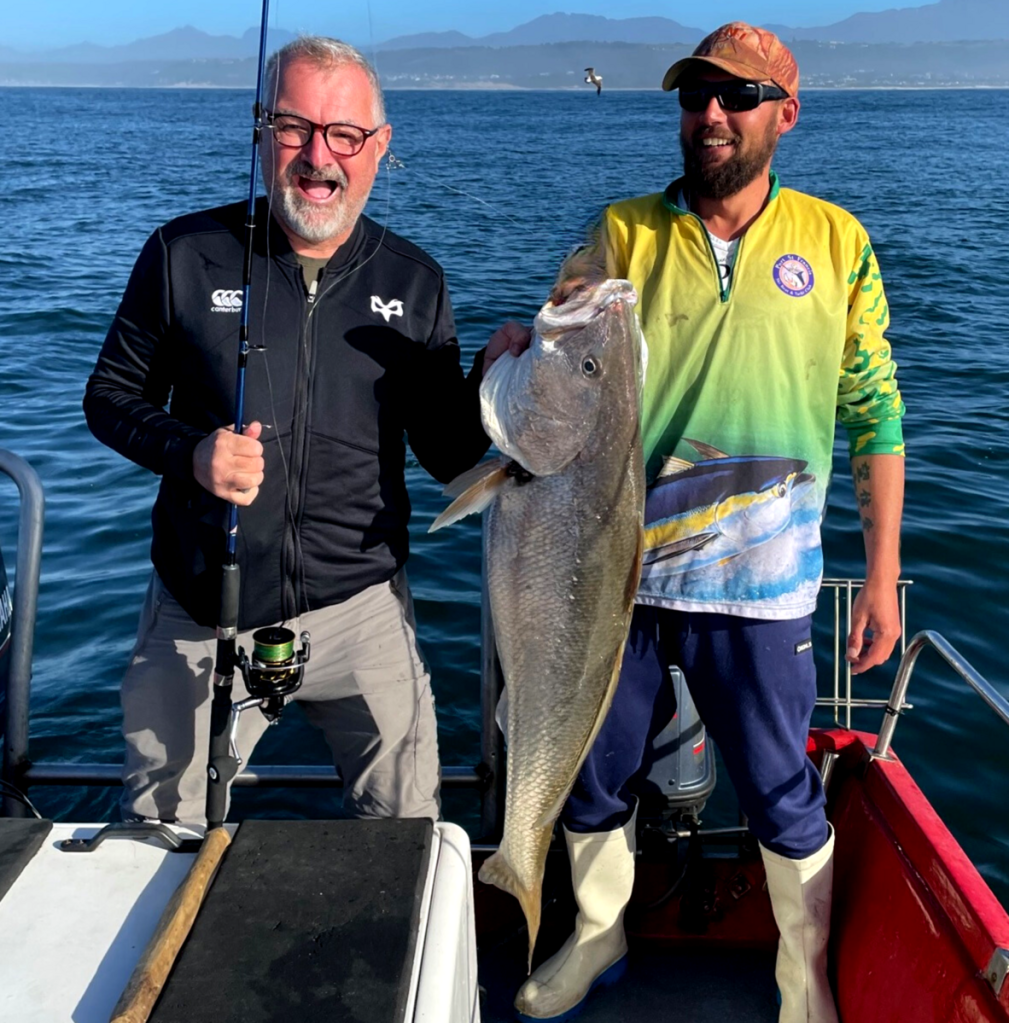
If commercial fishing has declined, recreational fishing has exploded. Anglers travel from across the U.S. and Canada—and even internationally—to fish the Great Lakes. The region supports a $7 billion recreational fishing economy, driven by salmon, trout, bass, walleye, and muskie. Charter boat businesses, tackle shops, and tourism hubs depend heavily on healthy fish populations.
Lake Michigan, for example, is famous for its Chinook and coho salmon runs, introduced from the Pacific in the 1960s to control invasive alewives and provide sport. Meanwhile, Lake St. Clair and western Lake Erie are prized for their trophy smallmouth bass and walleye.
Challenges and Conservation
Despite its economic importance, the Great Lakes fishing industry faces significant threats:
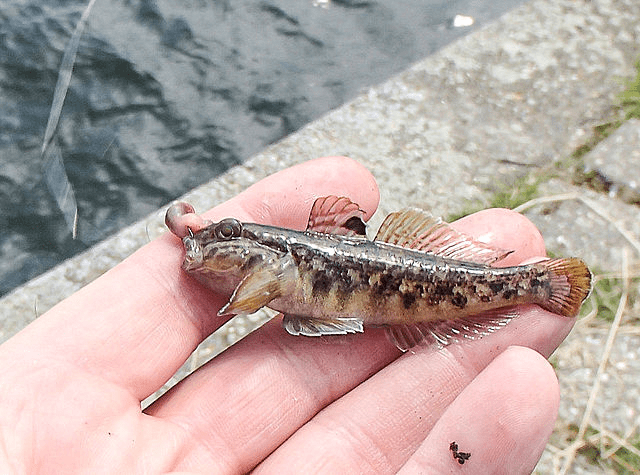
- Invasive Species: Sea lampreys, zebra mussels, and round gobies have drastically altered ecosystems. Sea lampreys alone nearly wiped out native lake trout before control efforts began.
- Pollution and Habitat Loss: Agricultural runoff causes algae blooms, particularly in Lake Erie, harming fish and water quality. Urban development and shoreline alteration further damage spawning grounds.
- Climate Change: Warmer water temperatures affect spawning cycles, species migration, and food web dynamics. Ice cover changes also impact winter fishing and the broader ecosystem.
To combat these issues, the U.S. and Canadian governments—along with tribal and state authorities—have invested in hatcheries, habitat restoration, ballast water regulation, and invasive species control. Organizations like the Great Lakes Fishery Commission work binationally to manage shared resources and research emerging threats.

A Path Forward
Sustaining the Great Lakes fishing industry requires a delicate balance of use and preservation. Economic development, particularly in coastal communities, often relies on continued access to healthy fisheries. At the same time, ecological stewardship is paramount to ensure those fisheries survive for future generations.
Public awareness, responsible fishing practices, and international cooperation will be essential to navigate the challenges ahead. As the pressures of climate and globalization intensify, the resilience of the Great Lakes and their fishing industries will be a testament to science-informed policy and community-led stewardship.
 The American Centrist
