
In 2026, wind power is gaining fresh momentum across the United States after a slower few years of new installations. According to the U.S. Energy Information Administration, developers are planning to add 11.8 gigawatts of new wind capacity this year, more than double what was added in 2025. (EIA) This rebound is being driven by major projects in New Mexico, Texas, Illinois, and Wyoming, which together account for nearly 60% of the year’s new wind farms. Offshore wind is also helping fuel the surge, with large delayed projects like Vineyard Wind and Revolution Wind expected to begin contributing power in 2026. (Mercomindia.com)
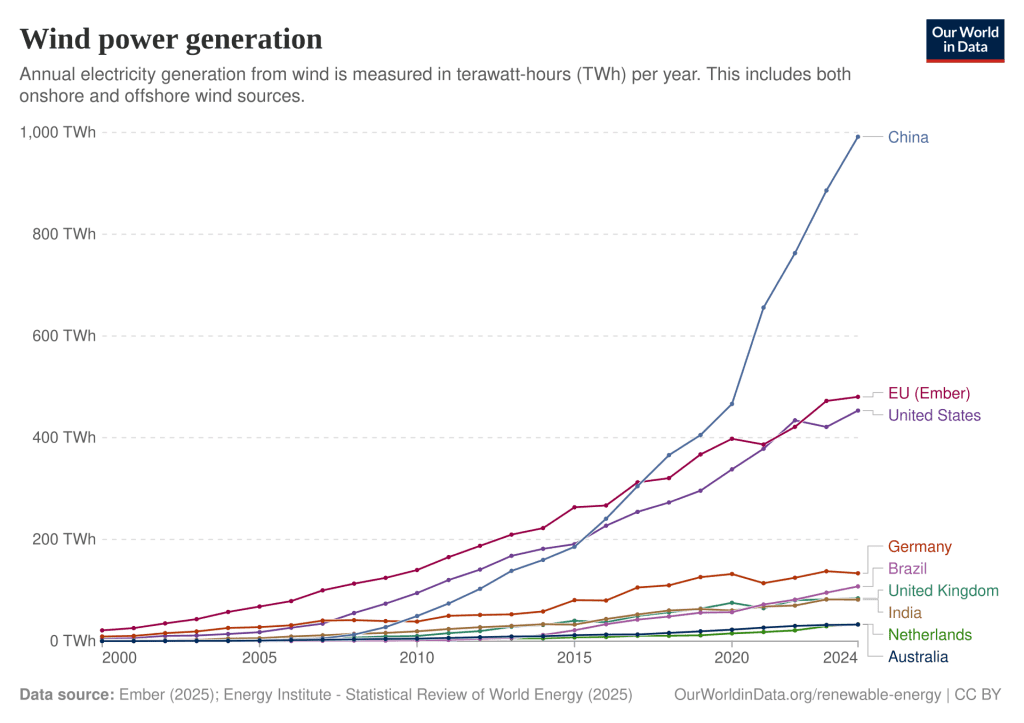
The growth of wind energy is happening at an important time for the country. Electricity demand is rising because of expanding data centers, manufacturing, and electrification, and wind remains one of the fastest ways to add large-scale renewable generation to the grid. The EIA expects overall U.S. wind generation to increase about 6% in 2026, helping renewables claim an even larger share of the national electricity mix. (EIA) In many parts of the Midwest, Great Plains, and Texas, wind farms are now a major economic engine, bringing land lease payments to farmers, local tax revenue to rural counties, and thousands of construction and maintenance jobs.
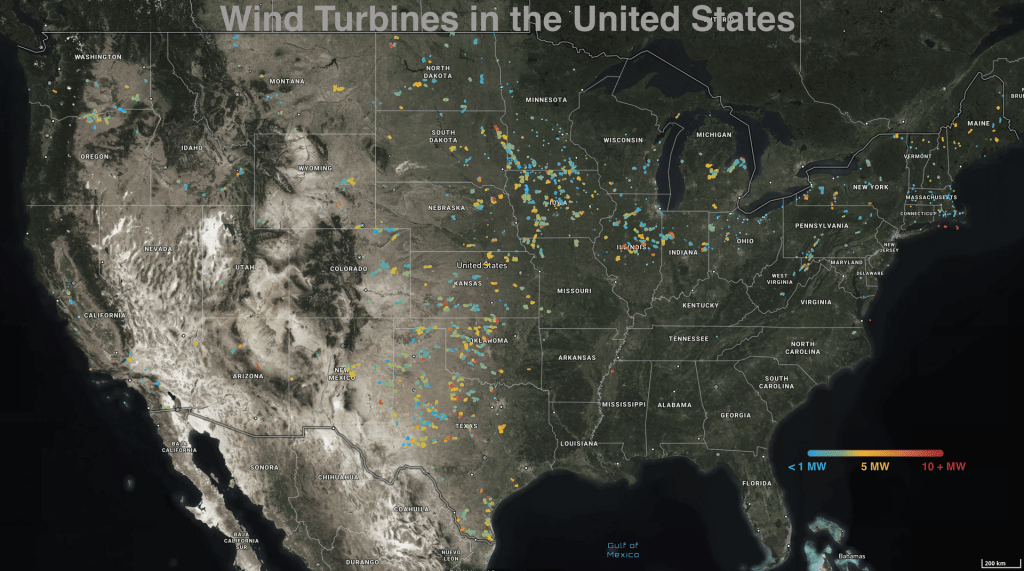
What makes 2026 especially significant is that wind is no longer growing alone. It is increasingly being paired with battery storage and large solar projects, creating a more reliable clean-energy system that can supply power day and night. (Electrek) As turbine technology improves—with taller towers, longer blades, and better performance in lower wind speeds—more regions of the country are becoming viable for development. This means wind power’s footprint is spreading beyond traditional strongholds and becoming a central pillar of America’s broader transition toward a cleaner and more resilient energy future.
 The American Centrist