
The music industry has always been a hub of creativity and technological innovation, and artificial intelligence (AI) is the latest force transforming this landscape. From composition and production to distribution and listener engagement, AI is reshaping how music is made, consumed, and monetized. Here’s a look at the profound ways AI is changing the music industry.

AI-Powered Music Composition and Production
AI tools are enabling artists and producers to explore new creative possibilities. Algorithms can now analyze vast amounts of musical data to generate melodies, harmonies, and rhythms. Tools like AIVA, and OpenAI’s MuseNet allow creators to compose original pieces or assist in brainstorming ideas.
In music production, AI is making processes faster and more accessible. AI-driven software can mix and master tracks, identify flaws in audio quality, and optimize recordings for streaming platforms. Landr, an AI mastering tool, has democratized the mastering process, allowing independent artists to achieve professional-grade results without expensive studio sessions.

Personalized Listener Experiences
AI is also transforming how audiences discover and enjoy music. Platforms like Spotify, Apple Music, and YouTube Music use machine learning algorithms to analyze user behavior and preferences, curating personalized playlists and recommendations. This ensures listeners are constantly discovering new tracks that align with their tastes, enhancing user satisfaction and retention.
Beyond recommendation algorithms, AI-driven platforms like Endel generate personalized soundscapes based on users’ activity, mood, or even time of day. These innovations redefine music consumption by tailoring experiences to individual lifestyles.

Revolutionizing Music Marketing and Distribution
The traditional methods of promoting and distributing music are being overhauled by AI. Machine learning models can analyze trends, predict the next big hits, and identify target audiences with precision. Tools like Chartmetric and Soundcharts help artists and labels track metrics like streaming data, social media engagement, and demographic insights, enabling data-driven marketing strategies.
AI-powered chatbots and virtual assistants are also playing a role in fan engagement. They allow artists to communicate with their audience at scale, answering questions, sharing updates, and fostering community interactions.
Fighting Copyright Issues and Piracy
AI is helping tackle longstanding issues like copyright infringement and piracy. Machine learning algorithms can scan vast libraries of audio to detect unauthorized use of copyrighted material. For instance, platforms like Audible Magic and Pex use AI to identify music tracks in user-generated content, ensuring creators and rights holders are compensated fairly.

Challenges and Ethical Considerations
While AI is a powerful tool, it also raises concerns. For one, there are fears about job displacement for musicians and producers as AI becomes more capable of creating music autonomously. Questions about the ownership of AI-generated works and potential biases in recommendation algorithms also demand attention.
Moreover, the increasing reliance on AI could homogenize music if algorithms prioritize what is already popular, limiting diversity and innovation. Balancing technological advancement with artistic integrity is crucial as AI continues to evolve.
The Future of AI in Music
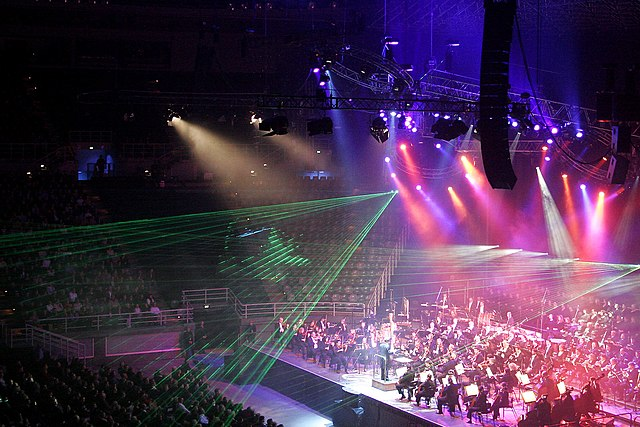
AI’s impact on the music industry is still in its early stages, but its potential is immense. As technology advances, we may see AI composing symphonies, creating entirely new genres, or collaborating with human artists in unprecedented ways. Simultaneously, musicians and industry professionals must adapt to this new landscape, leveraging AI’s capabilities while addressing its challenges.
Ultimately, AI is not replacing creativity but augmenting it. By automating repetitive tasks and unlocking new creative avenues, AI is empowering artists to focus on what they do best: making music that resonates with audiences worldwide.


.jpg)
