
With The United States’ recent capture of Venezuelan President Nicolás Maduro, a move that US President Trump has openly admitted to being in the interest of US oil investments and Venezuelan citizens alike, the world waits with bated breath to see what the next big move is going to be. Trump has wasted little time in going from one international escapade to the next, this time with his sights set on Iran and its recent protests. Trump has directly confronted Iran’s leadership with warnings of escalation should the government’s brutal crackdown on protestors continue. But is Iran’s well being really the purpose of these threats, or is there something more?
The U.S. has long had a strategic interest in Iran’s oil, both for economic and geopolitical reasons. Iran holds some of the world’s largest proven oil reserves, making it a significant player in the global energy market. For much of the 20th century, American interests in the region centered around ensuring stable access to oil supplies, particularly during periods of instability in the Middle East.
Following the 1979 Iranian Revolution and the subsequent U.S. embassy hostage crisis, U.S. relations with Iran soured, and this interest was framed more around containment and sanctions rather than direct engagement. Despite this, oil remains a key factor in U.S. policy towards Iran, influencing decisions on sanctions, nuclear deals, and broader Middle Eastern alliances. The U.S. has also sought to reduce Iran’s influence in oil markets by pressuring countries to limit imports of Iranian crude, reflecting the strategic importance of Iranian oil not only for its own economy but for maintaining regional stability and limiting the geopolitical leverage of adversaries.
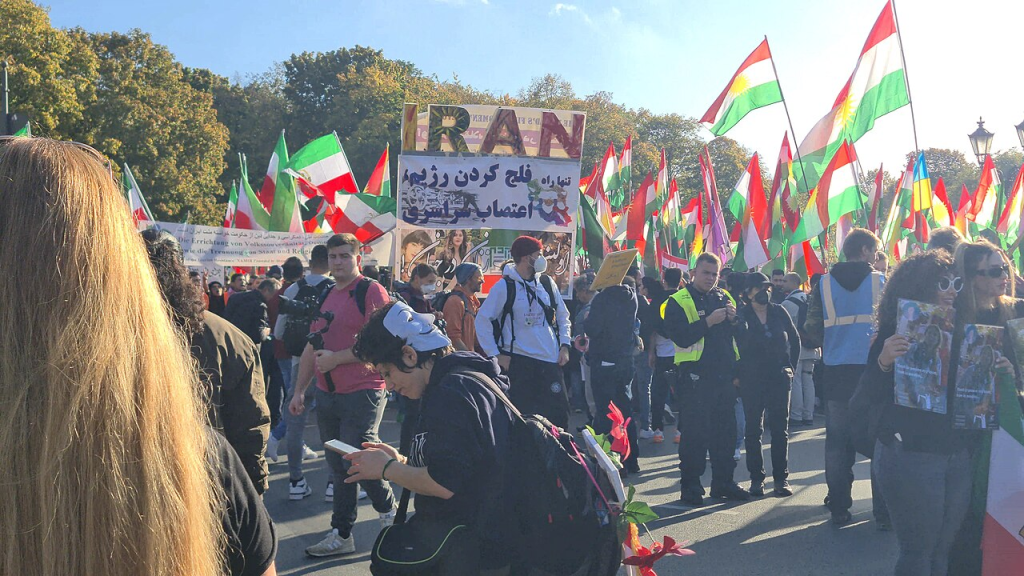
It’s not hard to believe that the US and its allies, namely Israel, have been accused of directly influencing political unrest in Iran once again. Iranian news outlets have been reporting that both the US and Israel have been launching secret covert operations to destabilize the country, stir up protests, incite violence – all in an attempt to pave the way for a coup, much like what happened with the US-backed 1953 coup that overthrew Prime Minister Mosaddegh (who nationalized oil) to install the pro-Western Shah. Since the Iranian revolution that threw the Shah out, the US has been looking for a way back in.
So far Trump has not made any drastic moves toward Iran in 2026, but it’s easy to see that the US is not backing down anytime soon either. With pressure from both outside and inner influences, this puts Iran in a very tough spot that many argue leaves the country vulnerable to a forced regime change. Only time will tell how it all plays out on the global stage.

