
As water shortages intensify across the globe, access to clean and reliable freshwater is becoming one of the defining geopolitical struggles of the 21st century. Nearly half the world’s population now faces severe water scarcity for at least part of the year, and international institutions warn that humanity has entered an era of “water bankruptcy,” where demand exceeds nature’s ability to replenish supply. Yet beyond the humanitarian emergency lies another reality: global superpowers and economic elites are increasingly turning scarcity itself into an opportunity for profit, leverage, and strategic control.
Water has long been viewed as a basic human necessity, but in today’s global economy it is also a commodity, a tool of diplomacy, and a source of immense corporate gain. Wealthy nations and multinational firms invest heavily in desalination technologies, privatized water systems, bottled water industries, irrigation infrastructure, and dam construction in water-stressed regions. While these projects are often framed as solutions, they frequently allow powerful states and corporations to extract long-term profits from countries facing climate stress and weak governance. In many developing regions, foreign-backed infrastructure loans for dams, pipelines, and reservoirs create dependency, giving lenders political influence over critical resources.
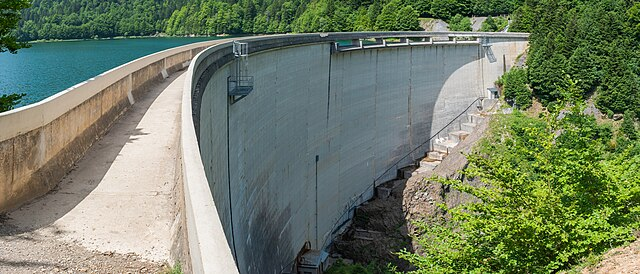
This pattern extends beyond business into direct geopolitical strategy. Countries positioned upstream on major river systems—such as Turkey on the Tigris-Euphrates basin or Ethiopia on the Nile—gain enormous leverage over downstream nations that rely on those waters for agriculture and electricity. Water thus becomes a strategic asset comparable to oil in the twentieth century. Experts increasingly describe this as hydro-politics, where control over rivers, aquifers, and desalination capacity translates into regional power. For global superpowers, supporting one side of these disputes through financing, arms sales, or infrastructure deals can open profitable pathways into broader energy, trade, and security agreements.
The same logic applies to other natural resources. Water shortages are deeply connected to control over farmland, lithium, rare earth minerals, fossil fuels, and arable land. As drought reduces crop yields, wealthier states and sovereign investment funds increasingly buy farmland abroad, particularly in Africa and Latin America, securing “virtual water” through imported food grown with another country’s dwindling freshwater reserves. In effect, powerful nations externalize their own water demands by absorbing the resources of more vulnerable states. This process mirrors the global scramble for minerals essential to batteries, semiconductors, and military technology, where scarcity inflates prices and concentrates profits among dominant powers.
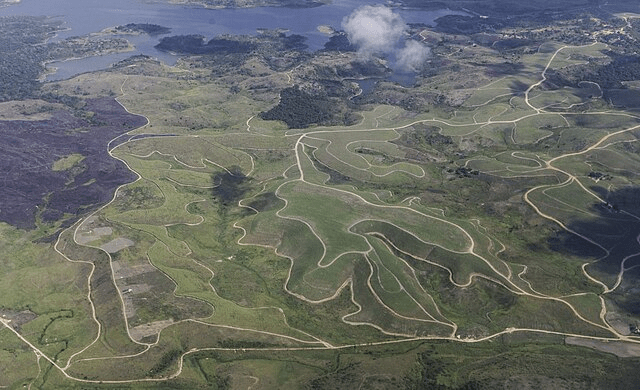
Climate change intensifies this unequal system. Droughts disrupt shipping canals, hydropower production, and agricultural exports, creating volatility in global markets. Rather than reducing dependency, this instability often increases the influence of states and corporations that control infrastructure, insurance, commodity trading, and logistics. Scarcity becomes monetized through higher food prices, speculative investment, water rights markets, and privatized emergency supply systems. In this sense, crisis itself becomes profitable.
Ultimately, global water shortages reveal a larger truth about modern power: natural resources are no longer simply extracted from the earth, but from instability itself. Superpowers and multinational interests do not always create these shortages, but they are often best positioned to benefit from them. As freshwater, energy, and mineral resources grow scarcer, the struggle will not only be about survival, but about who controls scarcity—and who profits from it.


.jpg)
